- all
- film
- tv
- internet

Say Nothing (2024)
★★★★☆
This was a very well-made and well-acted series. That said, the book is simply better. The book dives deeper into how The Troubles were corrosive and life-ruining for everyone involved, whereas the show seemingly leans toward glorifying the IRA militants...
... But it's understandable. Some of that emphasis likely serves the demands of dramatization and a broader TV audience but entirely at the cost of softening the complexity of the story. The series is compelling, but the book is truly stunning and worth reading for a more complete and sobering perspective.

One Battle After Another (2025)
★★★☆☆
Ever since I heard Leonardo DiCaprio say that he compares this film to Star Wars, it's impossible not to see. The film, which I thought was fine, not great, just okay, certainly has heavy Star Wars influences: from revolving around a group of rebels, to having its own Darth Vader in Sean Penn.
It even has its own version of the Death Star trench run.
It's a fine film, but the level of hype set expectations it didn't quite live up to for me.
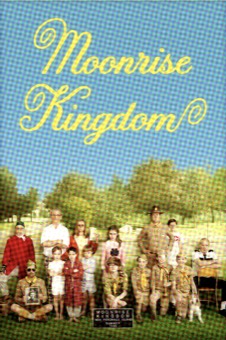
Moonrise Kingdom (2012)
★★★★☆
This might be my new favorite Wes Anderson film. It feels like the purest distillation of everything he does well.
The story is simple but it's told with such sincerity and whimsy.
Beneath that, there's tenderness about loneliness, young love, and the desire to belong that gives the film a surprising weight.
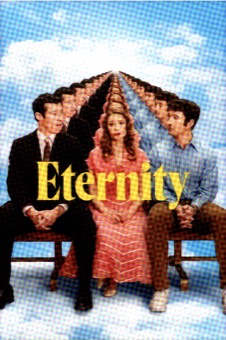
Eternity (2025)
★★★☆☆
This felt like a comedy copycat of the novella A Short Stay in Hell by Steven L. Peck.
Eternity took the same existential premise and flipped the mood.
The movie was okay, and I would recommend it to folk who like rom-coms. It did feel rushed at the end, which I didn't appreciate.
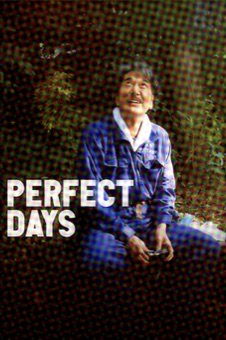
Perfect Days (2023)
★★★★★
Perfect Days is my favorite film. It's quiet, meditative, and will linger in your mind long after it ends. It finds beauty in routine and simplicity, showing how a life built on small, attentive moments can feel deeply meaningful. There's a gentle reverence for the everyday, how fully inhabiting the present can transform even the most modest existence into something rich.
At the same time, the film carries an undercurrent of fragility. This carefully constructed life is precarious and such a peace depends on keeping certain truths at a distance. That tension gives the story its emotional weight that is both comforting and unsettling.
Perfect Days invites a personal reckoning: what does a “good life” actually look like? The film doesn't offer an answer so much as it creates space for you to sit with the question.